
A New Asset Class: Franchise Investing for Everyday Investors w/ Kenny Rose of FranShares
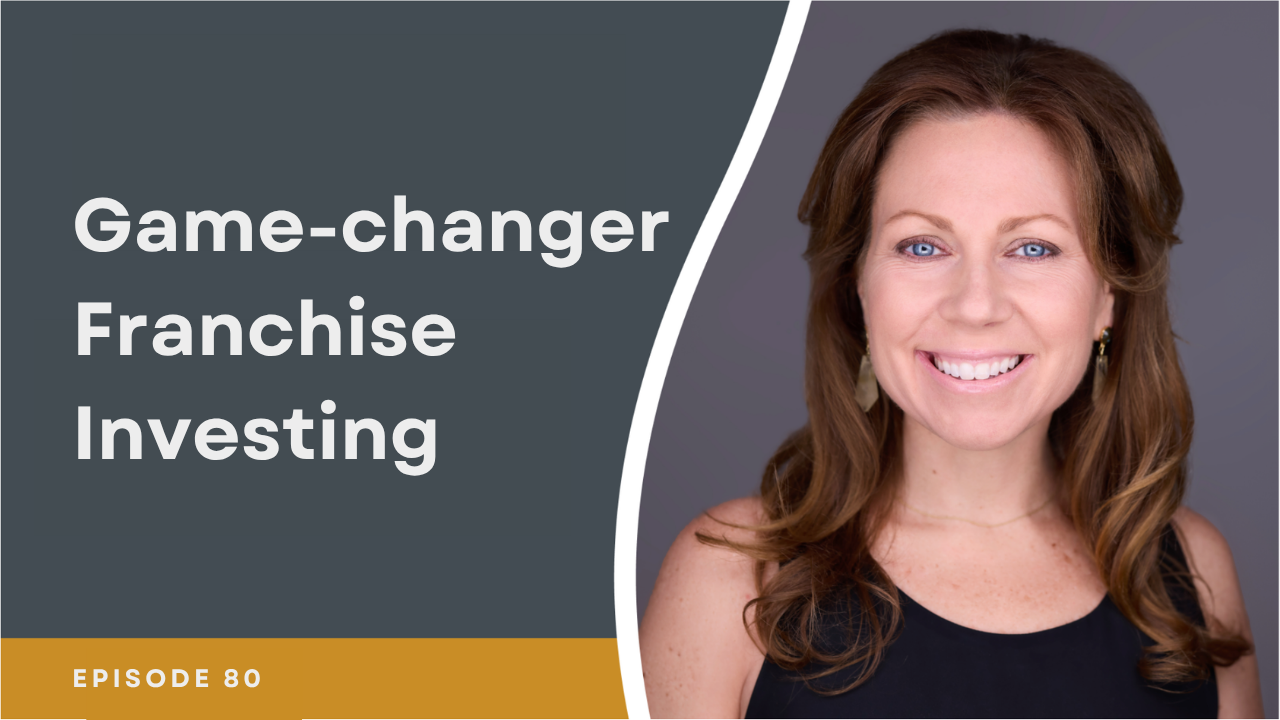
Kenny Rose, founder and CEO of FranShares, joins us to discuss an innovative investment opportunity: investing in franchises as an alternative asset class.
If you’ve ever thought franchising was limited to fast food, think again—Kenny shows us how franchises span everything from automotive to home services, and how FranShares is making it possible for everyday investors get a piece of the action.
We talk about how franchise investments can bring diversification, stable cash flow, and even a sense of local community impact to your portfolio.
3 takeaways:
Franchise Investing is Evolving: Anyone can invest in franchises as easily as buying stocks or real estate—no need to be a millionaire operator or have hands-on experience.
Vetting and Opportunity: FranShares doesn’t just fund any franchise. They thoroughly vet brands, operators, and the overall opportunity, ensuring investments go to proven businesses and experienced operators.
Diversification & Community Impact: Franchise investments can generate steady income, hedge against inflation, and provide real community value—plus, investors can now support and benefit from local businesses they know and trust.
Links:
Read more at www.franshares.com
Take the quiz - How Alternative Assets Can Fit in Your Portfolio
Time Stamps
00:00 Introduction to the Unconventional Investor Podcast
00:23 Exploring Franchise Investments with Kenny Rose
01:19 Kenny Rose's Journey into Franchising
03:14 Challenges and Solutions in Franchise Investing
04:15 How Fran Shares Works
07:15 Vetting and Selecting Franchise Investments
14:07 Investment Opportunities and Returns
17:47 Community Impact and Future Plans
26:17 Conclusion and Next Steps
-
Introduction to the Unconventional Investor Podcast
Welcome to the Unconventional Investor Podcast. I'm your host, Michelle Moses, certified financial planner, licensed realtor, and founder of ME Financial. If you're an accredited investor feeling overwhelmed by managing your portfolio and looking for alternative investment strategies that go beyond the traditional stock market, you're in the right place.
Let's head into today's episode so you can start taking control of your financial future.
Exploring Franchise Investments with Kenny Rose
Hello everyone and thank you so much for tuning in. Today we are gonna talk about something different and that I had never heard of before Kenny contacted me. It is a platform for investing in franchises. So I'm very excited to learn about this in ways that you can diversify your portfolio in different ways.
And so to talk about this, we have Kenny Rose, who is the founder and CEO of FranShares. Welcome Kenny. Thank you so much for having me, Michelle. Yeah, I'm excited to talk about this. Kenny has worked with over 600 franchise brands in more than a hundred industries, and he is an expert on franchise evaluation and he's able to identify the best ways to deploy capital into franchise ownership to maximize return on investment and operations.
He holds a certified franchise executive, which is A CFE with the International Franchise Association. So thank you so much for being on. Thank you so much for having me. I'm very excited to chat with you about this. Yeah.
Kenny Rose's Journey into Franchising
So how did this come about? Because, we all know, I think people, a lot of people know the basics of franchises, right?
And you just think, okay, you could start one if you wanted to, or, buy into one. And so what, yeah. What is the story with how you came up with this? Yeah I'd actually come from your side of the fence. Many years ago I was a advisor at Merrill Lynch once upon a time, and I learned I was not built for the massive corporate life, and I.
Wanted to see what else is out there and a family friend. Threw me a curve ball. He said, what do you know about franchises? And I'm like, McDonald's Subway what do you know about them? And this is the guy who's, he he had a company that coaches CEOs. And then I found out that company was a franchise actually.
So I'm like, wait, there's franchises for coaching CEOs and I find out they franchise everything from, we, you mentioned the a hundred different industries I've worked with, but like most people just think about fast food when it comes to franchising, but. They franchise everything from hair care, automotive, fitness, everything home.
Yeah. It's, yeah. And just when you think you've heard it all, then you find something like the parking lot striping for parking lots, and it's wow. They literally just franchise everything. And a lot of people think of, it's oh, you franchise for the big brand name. But the thing is that, if you own a parking lot, there's not like a big brand name for doing the striping.
But they focus on all those other business systems in place. As you could tell, I got very interested to learn that it was, almost a trillion dollar industry that. College educated guy didn't know that much about. And so I got into the space in what's called as a franchise broker. So like being like a realtor or even investment advisor, but for the world of franchising.
So if you said, Hey, I'm thinking about owning a franchise, but I don't know anything about franchises, I'd recommend brands for you based on your budget, your skillset, and your goals, and coach you through how you research and purchase a franchise.
Challenges and Solutions in Franchise Investing
And after about a decade of doing this, I realized a couple like really glaring problems.
The first was that. Most people who have a million dollars to invest in a franchise, unsurprisingly don't want to go run a franchise. They want someone else to run it for 'em. Then you also have people like the majority who don't have a million dollars laying around, but would love to be able to invest in a cash flowing, predictable business like a franchise.
And then on the other side, for the franchise themselves, I realized they had a big problem, which was that. I'm in Chicago at home and McDonald's and their biggest barrier to growth is millionaires. They could add another 10,000 locations, but they need people who are millionaires then want to be in franchising and then god forbid, wanna actually run the location themselves.
So you've got people who are really great operators. But don't have the million dollars and the people with the million dollars who don't wanna operate. So that's a very long way of saying, oh, I needed to separate where money comes from to who runs franchises and really make it as an asset class.
How FranShares Works
And so that's where F Shares came about.
The first platform that lets anyone invest in franchises like you could stocks or real estate, and into something that is income producing, hedge against inflation, diversified from the stock market and. Honestly just an alternative asset class that people can actually understand, which I think is very welcome in today's day and age.
I totally agree. Which is why I have my podcast. Which, I think people want to invest in things that they understand and a lot of the franchise businesses are things people understand. You think about almost anything that comes to your home with blinds and carpet and all of that. A lot of those are franchises and people.
Yeah. They get that. Yeah. I was just really surprised. 'Cause I did mention that I did a pocket. Or another podcast about franchises just in general. I was really surprised at the, a little amount of money that you could get into franchising, but I could see how there would be just a mismatch of, the people that have the drive, but they don't have the money, which is, a with a lot of industries.
But it sounds like you found like a great solution to this. Yeah, and I'll say two things about that. One is that, there are ones that are less expensive to get into, but they typically require. A much more hands-on skillset. And especially a lot of times they're pretty sales driven.
Like good example is the senior care industry. People really love to look at that. 'cause how many boomers are retiring every day. But at the end of the day, that's a very competitive industry. It's very sales driven, so you can get into it for a pretty low amount because it's. Typically doesn't require storefront, but that doesn't mean it's an automatic ticket to success, right?
And so you really do want people who come from those industries and have the experience and just get the opportunity and this creating opportunity. I have to say, I. Part of it I didn't come up with, I just reinvented a very well-functioning wheel which is Chick-fil-A. Most people don't know that Chick-fil-A should cost like 2 million bucks to start one.
But Chick-fil-A realized the same thing, is that they need people who are hands-on, owner operators who are gonna, eat, sleep, and breathe the business. And so they made it. So you have to start working from within, work your way up to management, and then apply to be a franchisee. And if you're selected, it's only $10,000 and they finance the rest.
Now there's pros and cons to this. Pros, you could debate that if they have the greatest chicken sandwich, but you can't debate that they have the highest average unit volume or sales in all franchising. And you could say it's the chicken sandwich, but when you watch the commercials, that chicken sandwich is sitting on the stool on the side.
It's the operator that's front and center. But that being said, Chick-fil-A also has done things wrong. Those people don't have equity in the businesses, which I find to be a very big problem. And so we want people who are, have the experience and just don't lack the access to capital because frankly, banks are financing them like they're buying homes.
And so yeah, it's just something that like it feels like a no-brainer when you deconstruct it, but it's just that people have looked at it at the same lens for decades.
Vetting and Selecting Franchise Investments
And so what are the types of businesses that you, so obviously you're vetting them, right? You're going through due diligence process.
So what are the types of business that businesses that are on your platform, and then when people are going to invest, do they get to choose which one? Or do you have a fund? Yeah, so it's a very heavy vetting process, but on three main fronts, the brand, the operator, and the opportunity. There's more franchise brands out there than there are stocks on the nasdaq, and that does not just like stocks on the nasdaq.
That does not mean they're all good. There are plenty of bad ones. Great thing about franchise and that you may have learned in your previous episode is that it's regulated by the Federal Trade Commission. And so because of that, each franchise has to put out. Publicly available disclosure documents, things like how much it costs to start a location.
What they can make is their litigation against the brand company financials. And so you're able to do a lot of due diligence on these brands on your own. And so we've vet very heavily on the brands, either that they are a well established one or very high growth one that they have strong return on investment, that they have a strong support system.
They're growing in locations year over year. Then the operator, you could have the greatest brand name in the world, like a McDonald's, but you could run a McDonald's in the ground very quickly being the wrong person for it. And so we only work with people that are either already franchisees or they are those operators with all the experience that are becoming franchisees.
Okay. And we love an emphasis on if they have the, so if they have the experience, then your platform would basically raise money for them to open up the franchise that they wanted. Exactly. Yep. It's almost like racing from friends and family. We just bring a whole lot more friends to the table. Okay. Yeah. And sorry, I didn't mean to interrupt you, you were going no. Sometimes you get on a roll and then off the tracks. But, you can take it where you want. Yeah, no, that's fine. So you got two people. So you got the people that you that need the money. And so how do they find you then?
So are you out looking for them? Yeah for one, we go to all the industry conferences. So you get a lot of existing franchisees looking to expand or get into other brands. There's also operators that come through that are, franchise curious, just not sure how they're gonna get the money.
We do. A lot of work online, so we get a lot of operators that reach out to us. But what I found to be the best is going directly to the brands because they know who they want to expand. You go to Comfort Inn and say, Hey, who should be your next hotel owner? And they'll say I've got this person who's been in operations for 10 years.
They. Are absolutely killing it when it comes to their sales and profitability, but they have no access to capital. And so the franchisors know who these great operators are that would run through a brick wall given the chance, and now they have the ability to turn them into franchisees who are gonna be those hands-on owner operators.
And so when they are, so they're basically awesome, right? So they're awesome operators and so you're giving them a chance to finance their own franchise. And so then do they get equity in it? If it's that way, okay. Yeah. Yeah. So they have to get equity. I don't believe in people work, working and not getting ownership.
Totally. And and for one, it's the right thing to do, but for another, you want them to have skin in the game to, really care about it and make sure they want to be successful in that it's not just a job they can walk away from. In addition to these like operators that were turning into owners, we also worked with existing franchisees that you know, many different types.
Like they come in all shapes and size and from mom and pops that went. All in on their first or first couple locations. They have all the experience and they're ready to scale. But then the bank's looking at them like they're trying to buy three new houses and they're like, is your net worth triple is do you have a couple million dollars laying around?
But really it's, they've done the hardest part, which is learning the system and building this foundation, and now they're ready to scale it. And but we also work all the way up to like institutional level franchisees. Some of the largest holders of franchises are private equity groups.
And they like it because they're stable, predictable, and diversified. A lot of these like institutional type franchisees and they get up to be worth multiple billions of dollars, but a lot of 'em, they don't like working with private equity. It's just been the necessary evil because.
They need the money to scale, but private equity needs a lot of control. And oftentimes they need to have that majority ownership and voting rights to tell them how to run their business. And franchisees don't like that. They got into it to be their own boss. And we're actually about to launch with one of the largest pizza franchisees in the world. And they're also just top 10 largest franchisees of anything between all their different brands And, they're looking to really scale this and have something that's like a predictable source of equity that they can go and deploy.
But it's something where they've typically had to go to these like larger family offices and private equity groups, but they love the idea of being able to, set their terms, be able to raise and focus on running their business. But also they are they really love something that I've said and why brands like Duncan Love working with us is that, equity crowdfunding, which is what powers all most of these alternative investing platforms.
People can put capital into it, but then it just becomes something in their portfolio that they stash on the side and they forget about it. But yeah, I like to think of it, it's like Reddit versus Wall Street, where when you give the littler guy ownership. They love it and they're gonna be ecstatic and raving fans about it.
And they're gonna go to Dunkin’ Donuts, or they're gonna go to whatever franchise that they actually own, and they're gonna try to support it. And so it's a, it's a win-win on all of it. Exactly. Exactly. They never go to Starbucks again and they ridicule their friends who try and go there.
And I go to a lot of meetings and this, what the show is about is alternative investment in private placements. And I have asked some of the owners of some of these private placements of why aren't you just purely with the private equity? And the ones that aren't, they love doing what you're talking about.
It's, we can call it crowdfunding, but just going to the retail space is what we call it. They love that because they have more control and they don't have to answer to it. Whereas the, yeah, they say the same thing about private equity is that they just don't like answering to them the institutional money, and so they want to break out, even though it is harder, obviously, to raise money from multiple different people than just one, one trough, it's worth it.
Investment Opportunities and Returns
Um, so can we talk a little bit about numbers? Like when you are talking with these franchisees, like how do you break up the numbers? Do you do they get a certain amount of ownership and shares and can you explain how all of that works? Yeah, so every deal's gonna be pretty different because at the end of the day, we're not.
Private equity or an investment banker and telling them how their terms are gonna look. We're usually setting them up with like legal counsel that specializes in different types of organizational structures and funding. So that they can come up with something that makes the most sense for them.
But typically what I like to see is that the franchisee's gonna maintain the major, like a majority ownership stake. For a number of reasons. From an investor point of view is that we. Most time they'll be preferred returns and also like a waterfall structure. And so they're, they don't necessarily have the majority ownership, but they're still gonna get those returns in the, in a structure that makes sense for 'em.
Because franchisees also don't want to have minority interest in their own business. We're a venture backed company at F Shares and if someone came in right off. Day one and say, Hey, we're gonna take majority interest in. You gonna tell and we're gonna tell you how to run the business.
I would never have taken a check. But yeah yeah, they don't want that. So do, I guess I'm just looking for examples do they maintain sometimes 50% ownership of the, and 'cause is it like even if they had an established franchise like a house, you're refinancing the house.
Are you refinancing part of the business like that? Or how is it, how's. Yeah. There's different ways that they're doing it. So for some people they're new locations, so it's like a new venture. Others that they're allowing investors to invest into their existing locations. Sometimes we have opportunities for acquisitions, for remodels.
Like I said, new locations, developing entire regions. So just a lot of, you think about any type of financial products out there for stocks, there's an equivalent in the franchise space. So things like growth opportunities, things like income opportunities. Okay. And and you, I forgot something you had asked before, which was about choosing investments and right now it's really build your own portfolio style and so you're really picking.
The brand and the operator that you want to invest in down the road, we'll definitely have a portfolio option for you. But I think for now as we build a track record and our franchisees build their own track records they really want to understand who they're investing in and what their experiences really be able to hear from them.
So I find it's important for people to be able to, understand each individual investment while they get used to franchise investing as a part of their portfolio. Absolutely. And I could see that your platform would be something where they would learn about it. And and I think that's what's exciting about doing these alternative investments, which is just really investments outside the stock market, is it's helping people invest in, like things that they see every day, and. Way that they're living their life. And I get so many calls of people, they're like, I'm driving by that building that's being built. And like, how do I get in on that? Because that's a great idea. Whatever it is. Yeah. So this is, yeah, a great opportunity. And I just think it's like genius on the franchise side that if someone's going to invest in that business, then yeah, they're going to be a patron of it, yeah. I mean that why spend money on marketing when the people could pay you to be marketing for 'em? Exactly. And you're paying them and they're an investor, and then they'll bring their friends, or they'll buy gift cards or, whatever it is happens to be. That's just like genius right there.
Yeah.
Community Impact and Future Plans
And honestly, it's really big for creating wealth in your own community too. I always find it hilarious how some people don't see franchises in small businesses when that's entirely what they are. They see oh, they've got big. Corporate support. It's yeah, it's so they don't fail.
Yeah. People have the warm and fuzzies about shopping at Trader Joe's when most of your money does not. It doesn't just stay in your community it doesn't stay in the country 'cause they're owned internationally versus you invest in the local Duncan. It's yeah, there'll be a royalty that goes out, but you're like local capital's, investing into a local business owner to create local jobs to.
Have money going through the local economy. They have a house here, they're paying bills here, they're patronizing this grocery store, they're doing their health insurance here. All of that. Stuff. Yeah. Where it stays in the economy rather than, yeah. Again, yeah. Shopping at Target at Walmart and then most of the money just leaves.
Yeah. Yeah. Yeah, that makes absolute sense. And so do you see, okay, so let's go. So if somebody goes to your website, then. It's for accredited investors, but you are opening it up for crowdfunding here really soon, right? Which means everybody can invest. Yep, exactly. But right now, just accredited very soon opening it up for everyone and each offering will have different tiers.
So if you're non-accredited, you can invest in one way. If you're accredited, it'll have a higher minimum with more favorable terms to incentivize like larger check sizes. But. I'm a big fan of getting this in the hands of the everyday investor. Especially when we talk about people promoting it within the local community.
The person who writes a million dollar check is gonna keep that close to the vest. The person who writes a $500 check is going to sing it from the rooftop. I, yeah, I agree. And so when you're accredited investor, what are the minimums that you can invest? Is it 25,000 or five or what are some typically our minimum's gonna be 10,000 for the accredited.
Okay. That's good. I think a lot of the investments I have on here are 25 at a minimum. Yeah. I think, and honestly that's why it's good to spread it across multiple offerings too. Yeah. Because then you, again, you're like building your own portfolio within the franchise space. Yeah. And so is that what you recommend is that you come on with the idea of let's take a certain percentage of your portfolio and maybe pick two or three franchises to get started with and then the just return it.
Does it vary from like. All the way from 8% preferred return to 12% or what, can you give us kind of a range? Yeah when it c before I get into the returns you'd asked another question there too. I'm sorry. No, I was just making a statement about it would be nice to that if somebody just came to the table with a certain amount of money and that.
They then they could invest in maybe three and diversify. Oh yeah. That way. Yeah. So de definitely good to diversify and leads right into the allocation side of things too. 'cause I don't think anyone should ever go all in on anything. And so you wanna diversify your asset classes and you wanna diversify within those asset classes.
And so that's why I think it's good to, build out a portfolio in the franchise space and. I'd be super greedy if I said, oh, alternative investing should go through franchising. No, it's diversified. And depending on the advisor, 20 to 30% in alternatives, I think franchising's worth 10% of that.
So I think it's a good two to 3% allocation of the portfolio. We have people who are doing more because they're more focused on the income side of things which. Again, different types of offerings from whether they're more income focused versus equity growing. And so to your question about returns we try and target like a total net IRR of 15 to 20%.
We have some that go lower, some that go much higher, and you'll see some that are gonna be higher on the income side of things, but then you're not gonna get as much on that like later exit that happens. And then vice versa, you'll see somewhere you get, not a lot of income because they're reinvesting instead, but then you're gonna get a higher equity.
So when they do exit, eventually you get a bigger payout there. So again, it's not just diversifying. Within different brands and industries, but also different investment goals as, as well. And so if people go to your website and they have questions, do you have people that will help them choose which investments to go into?
No. We're not an ra a so we are not able to give investment advice and plus, I'm, maybe it's just old school way of thinking, but I wanna present opportunities, not sell deals. And I think it's important for people to like, do their own due diligence, make an informed decision.
We put a lot of information on each offering and when I get people who ask what's the best one? It's I don't personally know you there. It could be any of them. I blast that. Yeah, it could be all of them. I'm not sure, but you should be comfortable. It totally depends on what you need.
Yeah. And I love, yeah. People ask that. It's people ask what's the best stock? I'm like, oh my God, this is Rudiment. Yeah. This is not a conversation to be, if I don't know you, that we should be Yeah. Conversation. Yeah, exactly. Search a little bit more. And then so one of the questions that I did have too about what you were saying, so does the owner of the franchise give updates to the investors?
'cause I know sometimes I've invested in things and then I'll get like quarterly updates about what's going on, yep. So at the minimum you get quarterly financial updates and it's information they're already collecting anyway because they have a franchisor that they're paying royalties to.
Typically we're even gonna give more updates than that, including like monthly qualitative ones. Besides just what are the numbers? It's who you hire, what's going on in the community did you get a big catering or it's. Like friends and family investing, they would give you updates on both the financials, but also just what's going on.
And so we, we have them do the same thing. Sometimes it'll be emails. A lot of times we have them record videos to be able to send out. So again, you're like building the relationship even more with that owner. But yeah, it should feel like you are an owner because you are an owner. And do you find that people tend to invest, like in their community wherever they live?
Or do they invest all over the place? So right now they invest all over. It's also because like we're still a fairly new platform, so you know what, we obviously just are scaling up more deals that there will be more that's gonna be local to people. But whenever we have an offering coming out, we are promoting it to investors in that area first, and then also doing active marketing in that community Because again I don't just want to fill capital needs there's something to be said about.
Getting the local community behind a local businesses back. And so we wanna make sure that it's gonna be, again, a great investment for the investor, but also something truly beneficial besides capital for the franchisee. Yeah, absolutely.
Conclusion and Next Steps
Well, I think this is a great idea and I love your website and I'm just so glad that this came across to be able to share this with people because I get, I do think franchises are.
Underrated. I wanna say, I think that people don't know about them and I'm so glad that you came up with this so that people can invest in it. 'cause people come, there's so many people that come to me that wanna diversify outside the stock market and they don't know how, and they're not accredited investor.
Yeah. Really give kudos to you for keeping, there's people, there's billions of dollars of these people's money that they want to invest and they wanna get into all these exciting things and not just, the stocks and bonds thing is just so out of their control, yeah.
It's just there and they're just letting it go, whereas this is like something that they could actually participate in. Yeah. I'd say one of the main things that I love about diversifying is just staying away from. The fear, like in stock markets, you're a tweet away from losing a huge chunk of your net worth versus, like we've seen things even with one of McDonald's CEOs was embroiled embroiled in really bad stuff.
But like the brand is bigger than one executive and their cash flowing locations that people are going to every day. So you really are insulated from a lot of those like market influences. Yeah. Yeah. I think it's a great idea, you guys. It's franshares.com if you want to go check it out. And they are gonna be opening up for crowdfunding, so you do not need to be an accredited investor for this one.
So I'm very excited to highlight you for that reason also. And thank you so much for being on. I appreciate you sharing your story with us and what this is all about. And, you guys let us know if you have any questions about it or go to their website and I'd be happy to advise you on how much you should put into this if you wanted.
There we go. You can do it. I just said it. I would be able to do that. So thank you for your time. Thanks for being on. And thank you so much for having me. And you guys, thank you so much for listening. Let me know if you have any questions and I will talk to you next week. Thank you for listening to the Unconventional Investor Podcast.
I hope you feel more confident in how you can grow your wealth using the strategies I shared in this episode. If you're ready to take the next step in diversifying your portfolio outside the stock market with alternative investments, head to me financial.net/contact us to book a 15 minute consult call with me.
Let's discuss how we can work together to achieve your financial goals. Until then, I'll see you on the next episode.
Disclaimer: The information provided in this podcast is for general informational purposes only and should not be construed as professional financial advice. Always consult with a qualified financial advisor or professional before making any financial decisions. The hosts and guests of this podcast are not responsible for any actions taken based on the information presented.